New Fraud Investigation Tool
The brief was to technically modernize legacy investigation tool. I reframed it as one role-based platform where investigators work in a single place and program managers configure workflows without engineering.
- Context
- A start-up inside AWS Fraud Prevention. A legacy tool used by internal teams and external partners was complex, fragmented across applications and hard to maintain.
- Role
- Lead UX Designer. Strategy, research, experience architecture and end-to-end design, working with Product, Engineering, AI/ML scientists and Fraud Operations.
- Impact
- +58%investigation efficiency+80%task efficiency↑investigator & PM trust
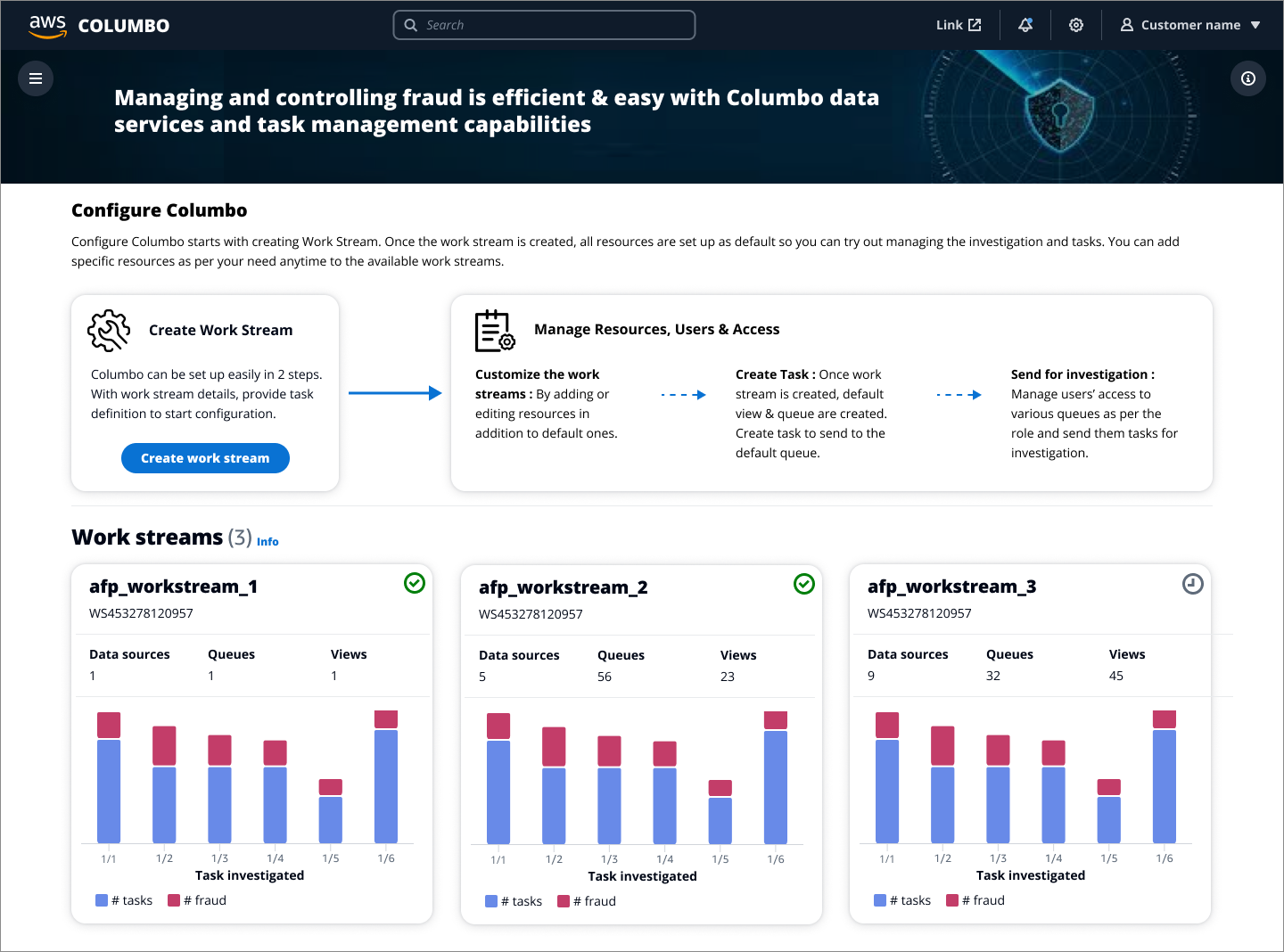
From a tool for experts to a platform for every role
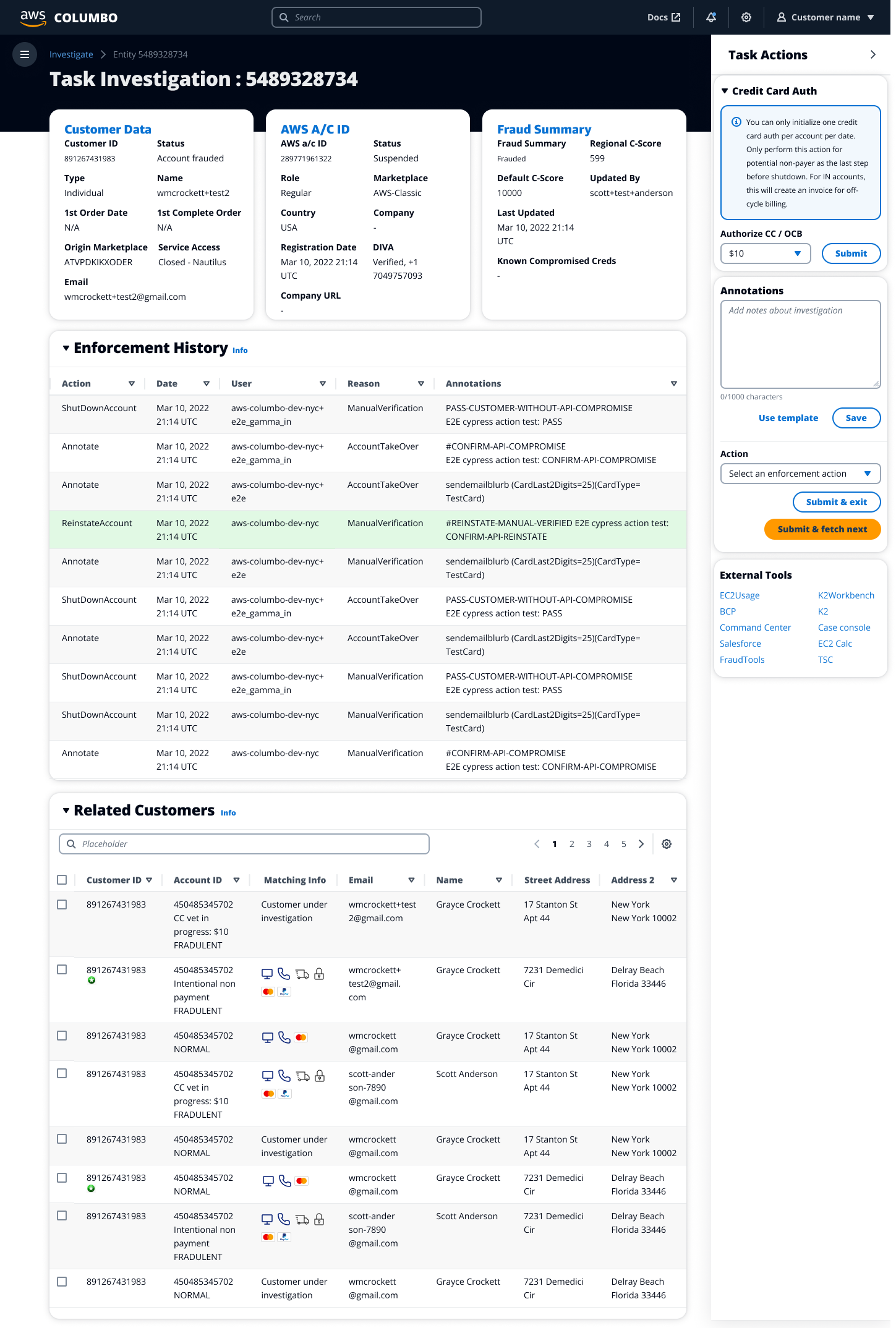
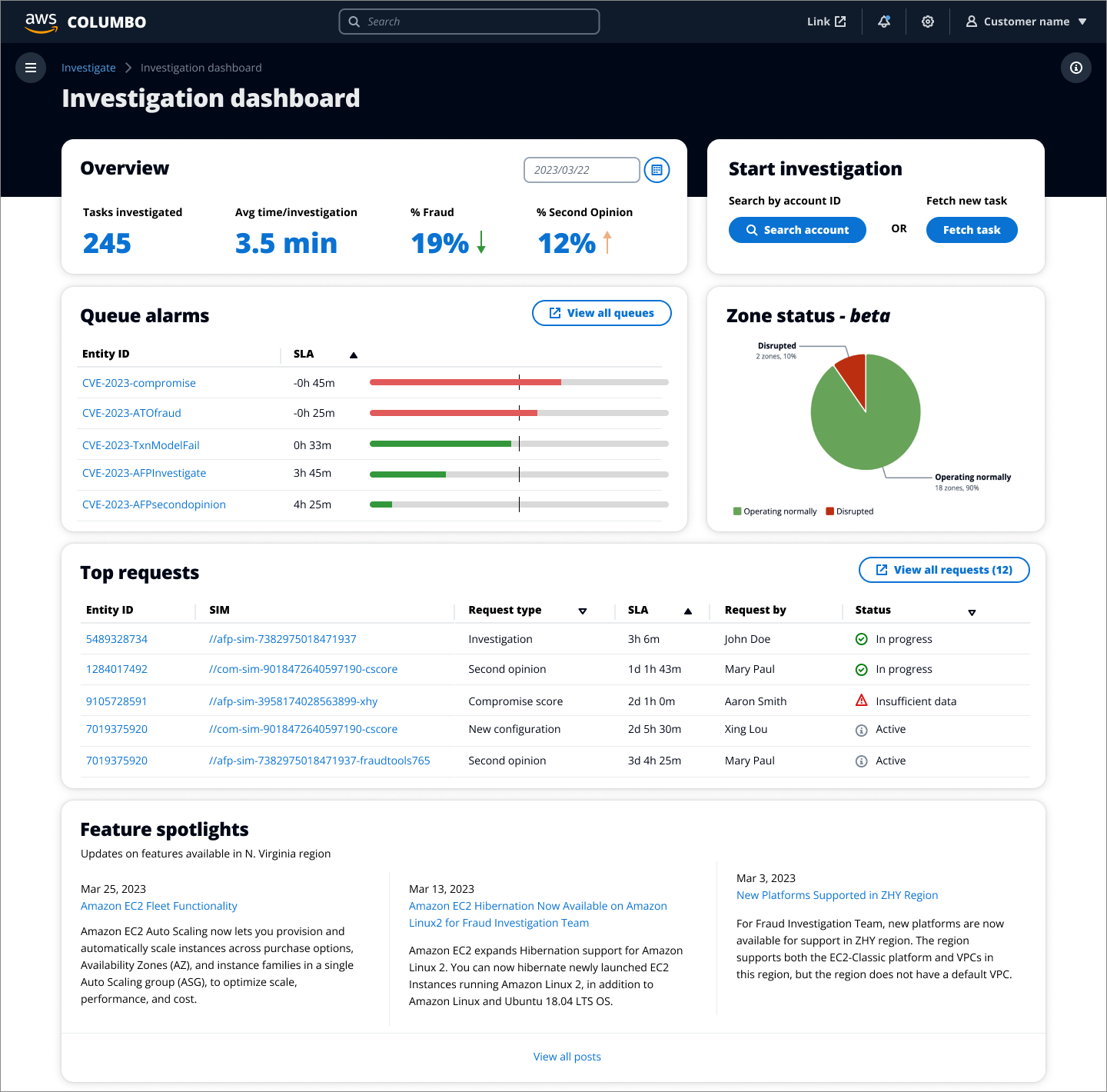
Everything an investigator needs, on one screen
Linked evidence, notes and fraud insights come together in one task view, so investigators stop switching between applications.
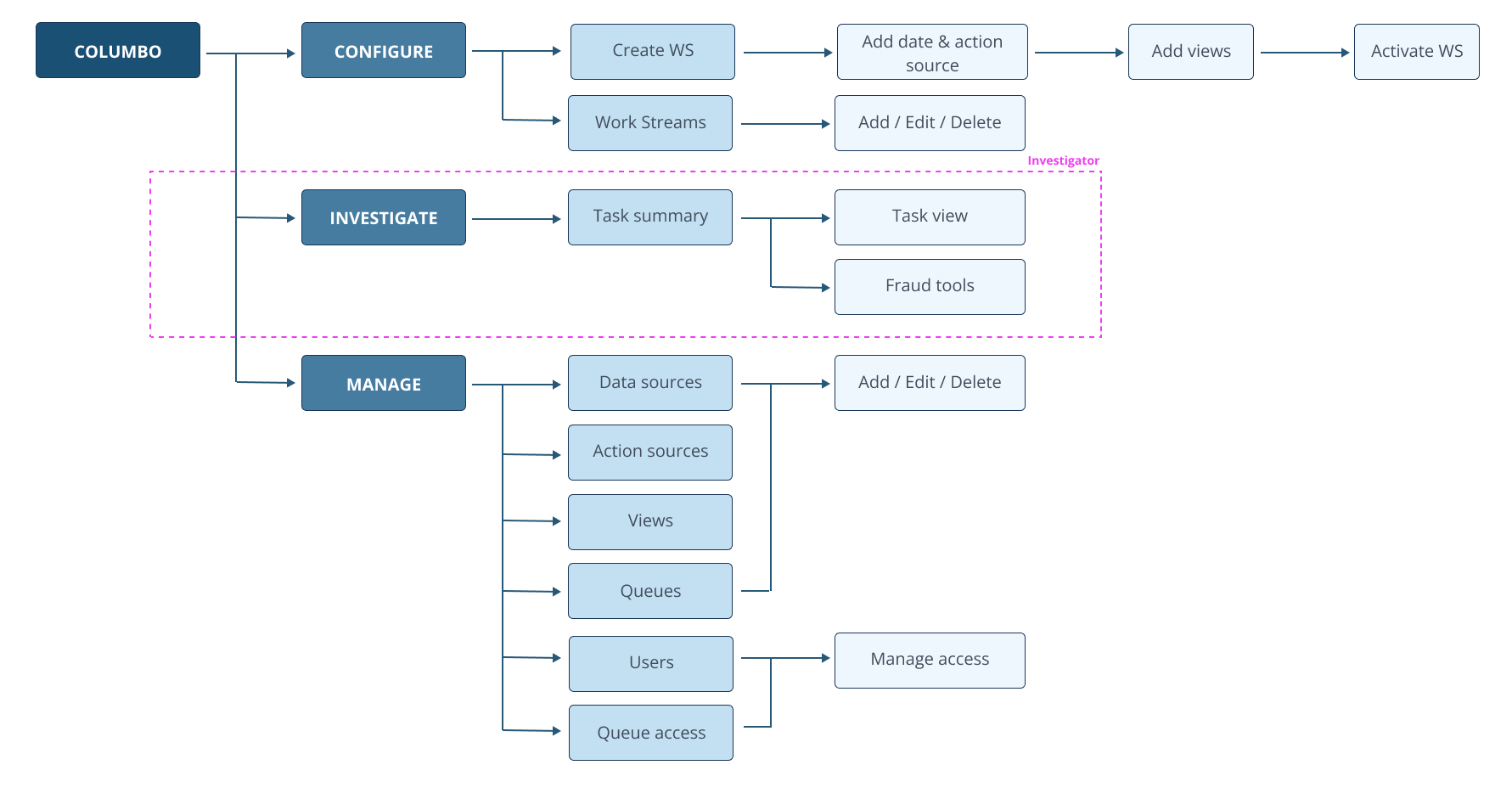
One system, shaped by who is using it
Program managers see the full architecture. Investigators see the part that matches their role, with the tasks and alerts that matter to them.
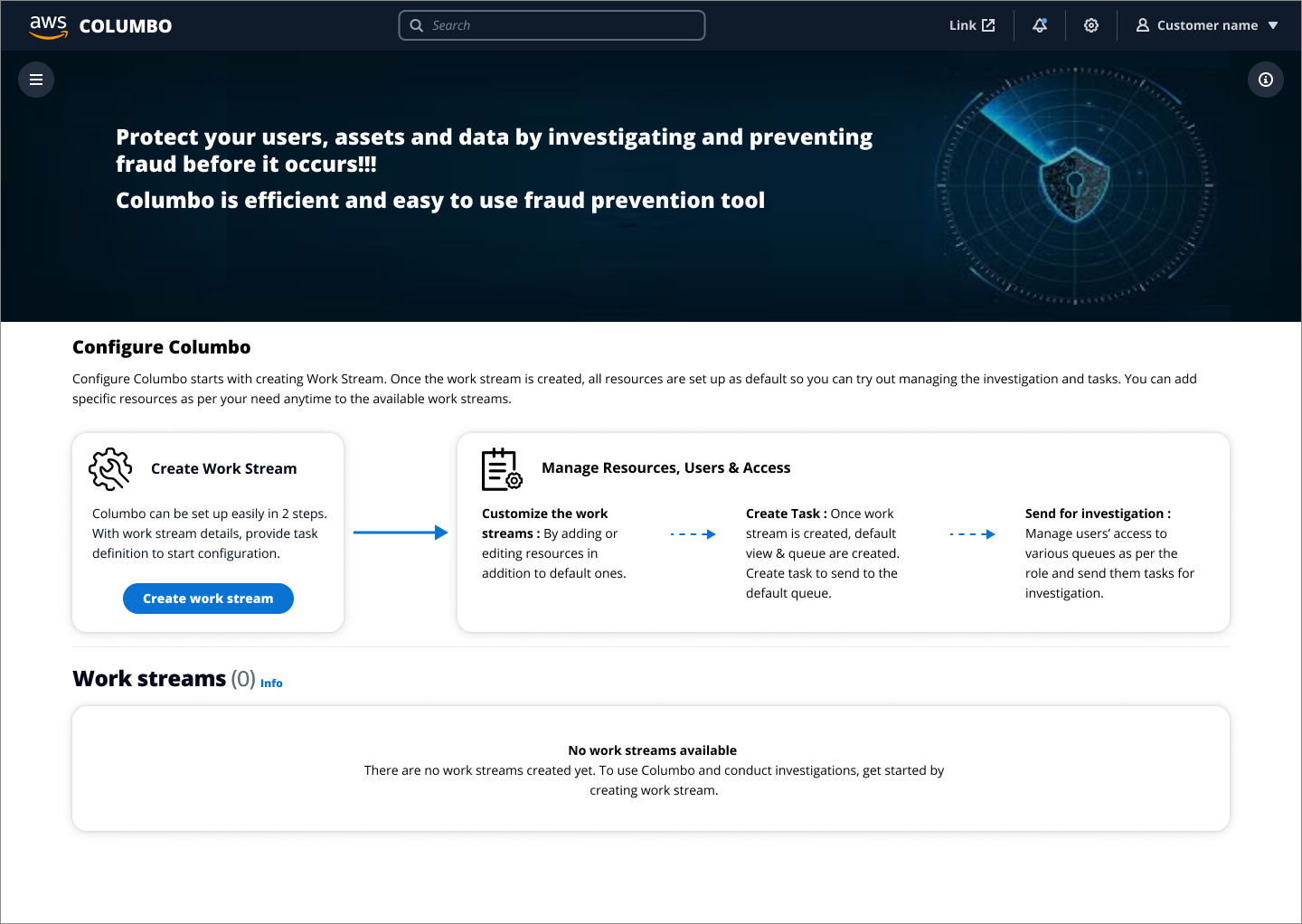
Workflows that PMs can change themselves
A step-by-step wizard replaced engineering tickets for updating business workflows, so changes stopped waiting on someone else’s queue.
Make fraud model signals usable, not just visible
The case view puts AI/ML insights next to the evidence and notes, so investigators decide with context instead of a score alone.
Three moments that shaped the product
The bottleneck wasn’t the interface
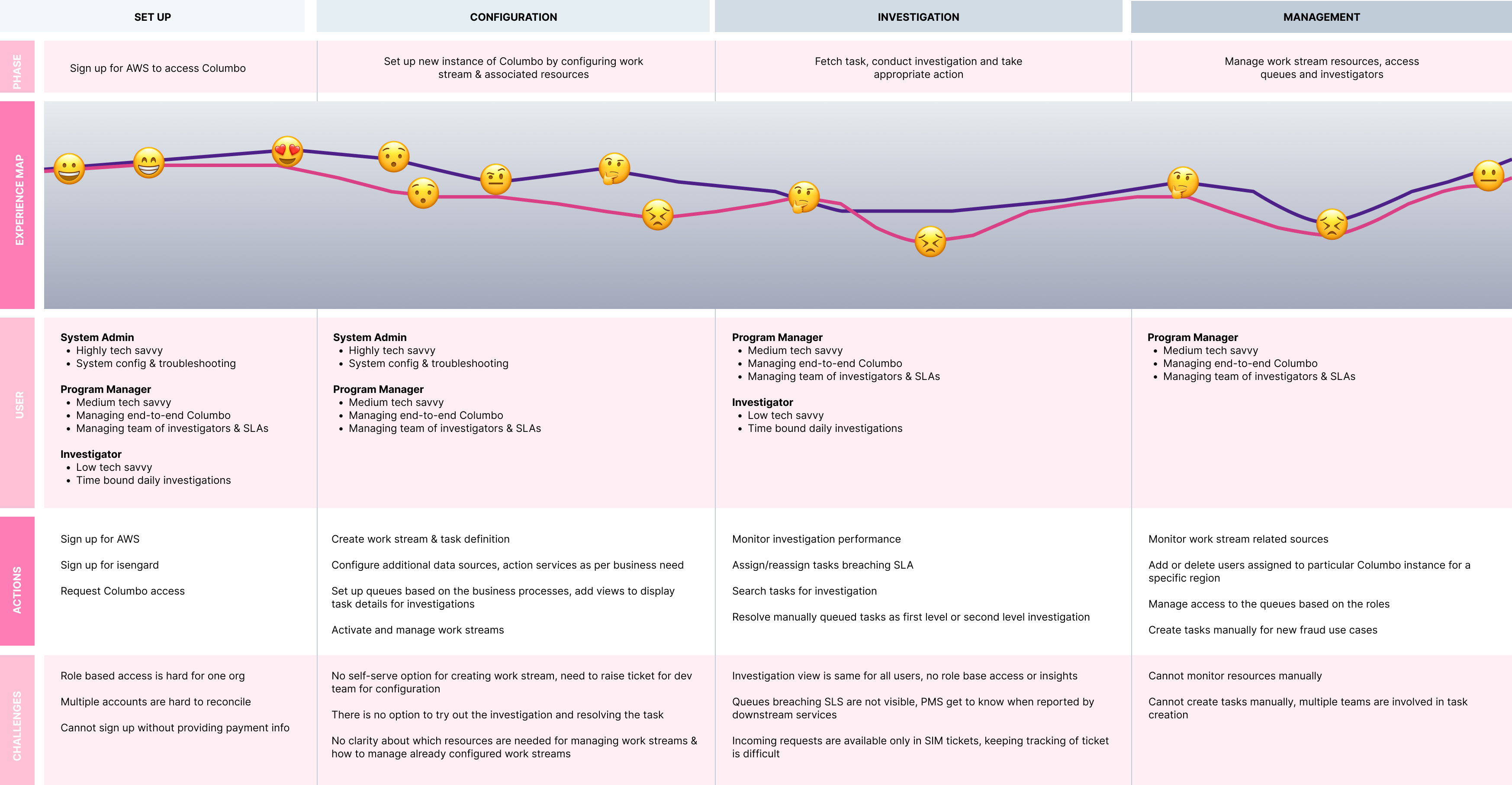
Cognitive walkthroughs and one-on-one interviews with investigators showed the clutter was only the visible symptom. More than half the users asked to consolidate everything into one system.
Then a second user surfaced: program managers who couldn’t change a workflow without filing a ticket with engineering. Modernizing screens would have left both problems in place.
Needs actionable data fast
- Hates jumping between tools
- Slowed by dense tables and too many colors
Needs control over workflows
- Can’t configure without dev help
- Depends on another team’s availability
A modern skin or a role-based platform
Two directions were on the table. I laid out what each would change for investigators, program managers and the engineers who maintain the system.
Cleaner screens, same structure
- Faster to deliver
- Still fragmented across applications
- Every workflow change still needs engineering
- Still hard to maintain
One role-based platform
- A single task view for investigators
- Architecture shaped by role
- Self-serve configuration for PMs
- AI/ML insights built in from the start
We aligned on the platform direction, with a clear MVP and a longer-term vision.
In a start-up, alignment is the work
I led a multi-disciplinary workshop with Product, Engineering, AI/ML and Business Ops. We left with agreed pain points and priorities, a defined role-based system, and one shared view of MVP versus long-term vision.
From there I set the design vision and worked closely with engineers and AI/ML scientists to bring it to life.
Self-serve configuration was only possible because the team agreed it was part of the product.
From a legacy tool to a platform people trust
“This is the first time the platform actually feels like it’s built for us.”Fraud Analyst
“Our PMs no longer need to file tickets for every change. This is a game-changer.”Program Manager
Self-serve configuration took engineering out of routine workflow changes, and one role-based architecture replaced a set of fragmented tools.